Understanding the Fundamentals of Blackjack Blackjack, a game of both chance and skill, revolves around the player aiming to achieve a hand total closer to 21 than the dealer's hand, without exceeding 21. The core of the game involves understanding the card values: face cards (king, queen, jack) are worth 10, aces can be 1 …
Understanding the Fundamentals of Blackjack
Blackjack, a game of both chance and skill, revolves around the player aiming to achieve a hand total closer to 21 than the dealer’s hand, without exceeding 21. The core of the game involves understanding the card values: face cards (king, queen, jack) are worth 10, aces can be 1 or 11, and numbered cards are worth their face value. Mastering these basic values is the absolute bedrock for anyone looking to engage effectively in this popular casino pursuit, and for those seeking information on responsible gaming, resources such as magius-uk.org.uk can offer valuable insights. A solid grasp of these elements allows players to make informed decisions during gameplay.
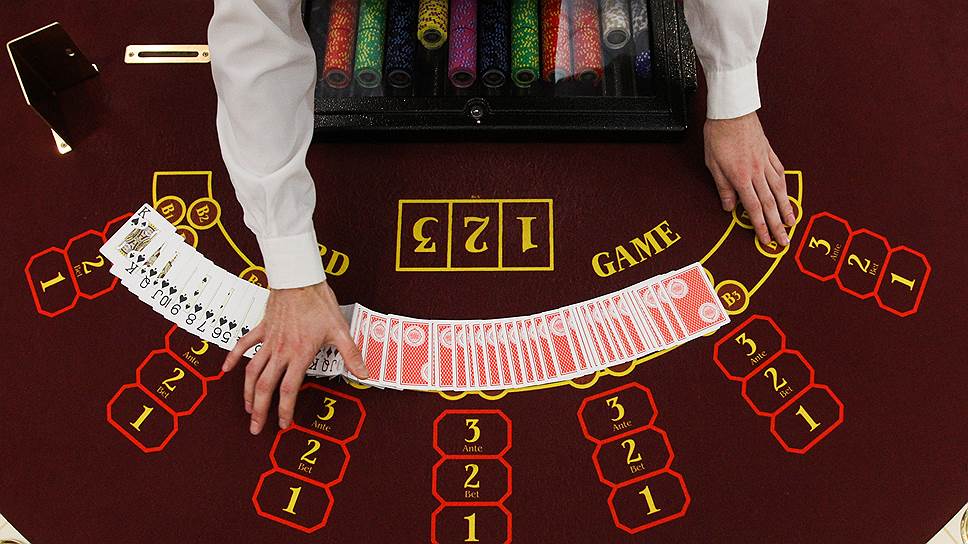
Beyond card values, players must grasp the objective of beating the dealer. This isn’t just about getting a high score; it’s about outperforming the house. Understanding when to “hit” (take another card), “stand” (keep the current hand), “double down” (double the bet and take one more card), or “split” (separate a pair into two hands) are crucial decisions. These actions are dictated by the player’s hand and the dealer’s visible card, forming the basis of strategic play that can significantly impact the outcome of each round.
Strategic Decision-Making in Blackjack
Effective blackjack strategy hinges on a deep understanding of probability and calculated risk. Basic strategy charts, which are widely available, provide optimal decisions for every possible player hand against every possible dealer upcard. These charts are derived from mathematical calculations that minimize the house edge over the long run. Adhering to these strategies, rather than relying on intuition or superstition, is paramount for any player serious about improving their chances of winning.
For instance, a fundamental principle is that if the dealer shows a weak card (like a 2 through 6), the player should generally play conservatively, hitting only if their hand is low and standing on higher totals. Conversely, if the dealer shows a strong card (7 through Ace), the player needs to be more aggressive, hitting more frequently to try and build a competitive hand. These nuanced decisions, when applied consistently, can transform a game of pure chance into one where player skill plays a significant role in the overall results.
Bankroll Management for Sustainable Play
A critical, yet often overlooked, aspect of successful gambling, including blackjack, is robust bankroll management. This involves setting a strict budget for how much money you are willing to wager and sticking to it, regardless of wins or losses. A common guideline is to allocate a small percentage of your total bankroll to each betting session, ensuring that a few unlucky hands don’t wipe out your entire gambling fund. This disciplined approach is vital for long-term enjoyment and participation.
Effective bankroll management also means knowing when to walk away. Setting win goals and loss limits before playing is a wise practice. If you reach your win target, consider cashing out some of your winnings. Similarly, if you hit your predetermined loss limit, it’s time to stop playing for that session. This prevents chasing losses, a common pitfall that can lead to significant financial strain. Responsible play is the foundation of any sustainable gambling experience.
Card Counting and Advanced Techniques
While basic strategy offers a solid foundation, advanced players may explore techniques like card counting to gain a further edge. Card counting involves tracking the ratio of high-value cards to low-value cards remaining in the deck. When the deck is rich in high cards, the player’s probability of getting a blackjack or winning a hand increases, and they may increase their bets accordingly. This sophisticated method requires practice and concentration but can shift the advantage, albeit slightly, to the player.
It’s important to note that card counting is not illegal, but casinos often take measures to detect and discourage it, as it directly counters their inherent house advantage. Players employing such advanced techniques must do so discreetly and understand the risks involved. For most players, however, mastering basic strategy and employing sound bankroll management will provide a far more accessible and enjoyable pathway to improving their blackjack game and potentially achieving “true winnings.”

Magius UK: Navigating the World of Gaming
Organizations like Magius UK play a vital role in the broader landscape of gaming, offering guidance and support to individuals who engage with various forms of gambling. While the specific services of Magius UK are not directly related to playing blackjack, their mission often involves promoting responsible gaming practices and providing resources for those who may be experiencing difficulties. Understanding the support systems available is a crucial part of the overall gaming experience, ensuring a safer environment for all participants.
For those who enjoy games of chance, including blackjack, recognizing the importance of responsible engagement is paramount. Magius UK, through its educational initiatives and support networks, aims to foster a more informed and secure gaming community. Their work underscores the idea that while games of skill and chance can be entertaining, they should always be approached with awareness and within healthy boundaries, complementing the strategic play discussed for the blackjack felt.
